Family Treatment
Healing the Whole Family Through Education, Therapy & Support
Families with loved ones who suffer from serious mental health concerns, trauma, or substance abuse suffer alongside them. When someone is struggling with a mental illness, it is not only them who suffer but those close to them too. This is why family counseling is considered so important as part of mental illness treatment programs.
Although people become very withdrawn and isolated when they have a mental illness, it is often because they feel they are misunderstood. Family therapy lifts the lid on a person’s addiction issues so that everyone affected can develop a better understanding of their situation. Whatever is going on for a client seeking treatment isn’t just a client issue, it’s a family system issue — and family involvement can help to remedy that.
The Importance of Family Involvement
Why Family Support Makes Treatment Work
Without proper education and the intermediary support of a trained therapist, it may be difficult for family members to accept their loved one and understand what they’re truly dealing with. Some families may feel hesitant to get involved, but family support has been shown to increase treatment satisfaction, the client’s treatment participation, and overall family flexibility.
Getting to the root of a family’s needs, strengths, and weaknesses helps guide families to address the problems that contribute to the client’s behaviors and harmful coping mechanisms.

Family Counseling in Mental Health Treatment
A Neutral, Guided Space for Every Voice to Be Heard
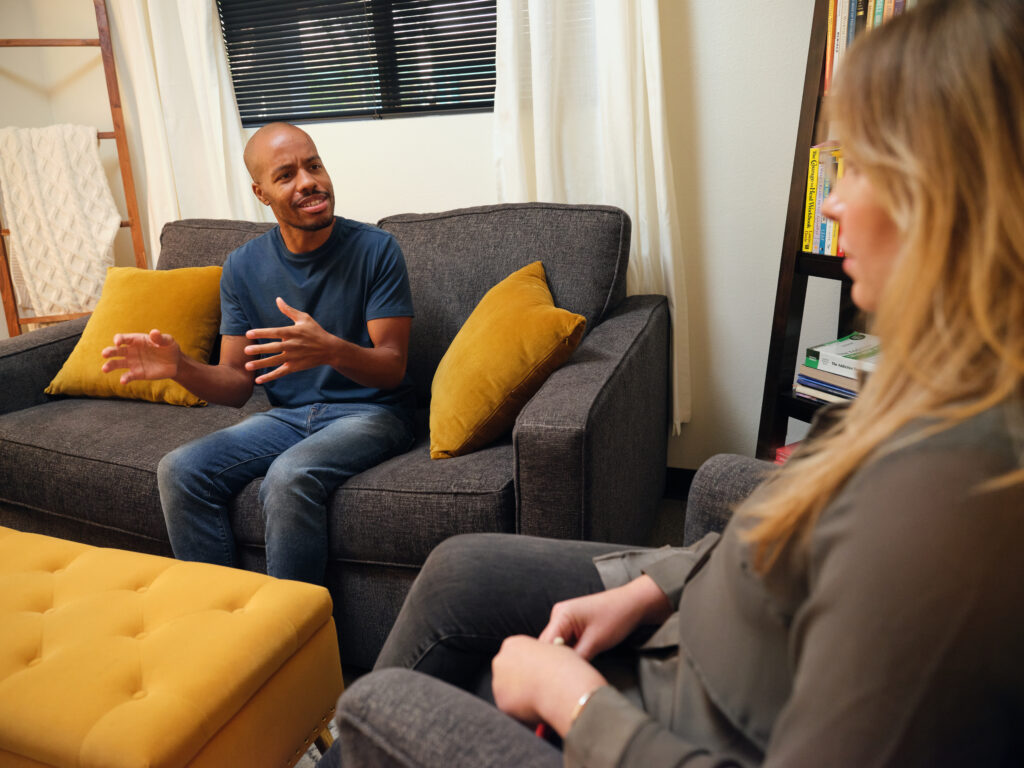
Casa Recovery in Southern California offers family counseling as a component in all of its mental illness treatment programs. This enables family members to come together in a neutral environment where their discussion is guided by a third-party therapist. It often helps considerably to have someone guide the discussion so that everyone has a chance to express themselves clearly and all viewpoints are heard.
Family therapy also sets a firm foundation for the many years of recovery ahead. Mental illnesses are generally considered chronic, which means they are likely to continue for years, if not a lifetime. Individuals respond much better in recovery when they are supported by their families.
Perhaps most important, family therapy is a mechanism to bring families together that have been torn apart by mental illness. Relationships can be very strained and even damaged as a result of people behaving in ways their loved ones don’t understand. Family therapy provides everyone affected with greater clarity on how they can deal with the situation for a happier and healthier future.
Our Family Program
Educating & Supporting the Entire Support Network
Involving families in treatment helps them not to feel alone — but it’s not just for the client that families participate. Our family program is meant to educate both the client and their family members, and to help the family resolve issues that may contribute to the client’s harmful behaviors.
Our stance is non-judgmental, compassionate, and focused on positive communication among family members. We fill in the gaps about the client’s struggles and teach every member of the support network their own coping skills for the emotional burden they share, while also giving them techniques to support the client outside of treatment.
Our Family Program Can Include
- Ongoing family communication and coaching
- Weekly clinical updates on the client’s treatment progress
- Weekly family therapy session with the primary therapist (virtual & in person)
- Monthly education and support group (virtual & in person)
Family Communication
Communication That Meets Your Loved One Where They Are
How much we communicate with family members depends on what their loved one needs while in treatment, and how much a client communicates with family depends on their needs as they build their foundation in recovery. It could be anywhere from once a week to once a month.
For some who are struggling to hold a family together, clients may undergo treatment alone for the first few months before we bring in their support system. Weekly communication could look like clinical updates on how their loved one is doing, along with education and support, or reminders for parents to hold firm on boundaries and use their own coping strategies.
Family Education & Support
Understanding That Behaviors Aren’t Intentional
Our family education and support group currently meets once a month for about two hours. One of the primary goals is to help the family understand that the client’s maladaptive behaviors aren’t done intentionally to hurt them. Especially when a client has turned to drug and alcohol abuse to cope, they aren’t making a conscious choice to continue.
Separating these behaviors from the client and reframing them as unintentional helps the family understand that they can be treated with the proper psychological and psychiatric interventions. Giving the family clarity is the first step toward creating acceptance — and a healing space together provides everyone with an optimistic view of the future.

Family Therapy
Bringing Families Together, In Person or Over Video
At Casa, we bring families together, in-person or over video call, to have a group session with the client’s therapist. Currently, this brings families together once a month for about two hours. Coming soon, Casa Recovery will be implementing a much more extensive program that hopes to bring families together every week rather than once a month.
While our new program is in development, families continue to meet on our once-a-month model. Family therapy involves several clinically-proven approaches to bettering family satisfaction and improving a client’s odds of success outside of treatment. These techniques involve family education and family support.
Frequently Asked Questions
Family Program Questions, Answered
Why is it important that I do “family work” while my loved one is in treatment?
Can I talk to my loved one while they are in treatment?
Should family members attend support groups? Is there more than Al-Anon?
Understanding Casa Recovery’s Approach
The More a Family Is Involved, the Better the Outcome
At Casa Recovery, our opinion is that the more a family is involved, the better the outcome for the client. We understand that not every client will have a family who is willing to participate, nor will it be safe for every client to involve their families; however, when it’s possible to repair those relationships without jeopardizing the client, we want to help initiate that.
We also understand that not all families are blood-related, which is why we encourage whatever strong relationships can offer support — including close friends, if that’s what clients consider family. Part of the purpose of family involvement is to build a supportive network around the client that will help them succeed in managing their symptoms outside of treatment.
Casa Recovery offers a tranquil setting where people can heal from all types of mental illness. We thoroughly evaluate every patient entering our center for mental illness treatment in San Juan Capistrano so that each program is personalized for their needs. To find out more about how we can help you cope with a mental illness in ways that bring more fulfillment to life, contact Casa Recovery in confidence today.
Get Help With Treatment Expenses
Insurance Coverage for Treatment at Casa Recovery
Did you know that insurance companies cover mental health and substance abuse treatment? Depending on your coverage, your insurance may cover all or most of your program at Casa Recovery. Insurance companies also cover outpatient services to clients who live nearby and need a more flexible option.
Begin Your Journey
Find the Healing You Deserve
Request a confidential callback right now. Our caring admissions team is standing by day or night, ready to help you and your family take the first step toward recovery.
Reach Out and Contact Our Care Team Today
Casa Recovery offers a wide range of treatment options for those struggling with mental health and co-occurring issues. We are here for you and ready to assist in any way we can. Contact us right now to get the help you deserve from a group of people who care.